
What is matcha? The complete guide to Japan's green wonder
Matcha is finely ground, shade-grown green tea from Japan that you drink whole – not as an infusion. What ceremonial grade means, how matcha tastes and how to spot quality.
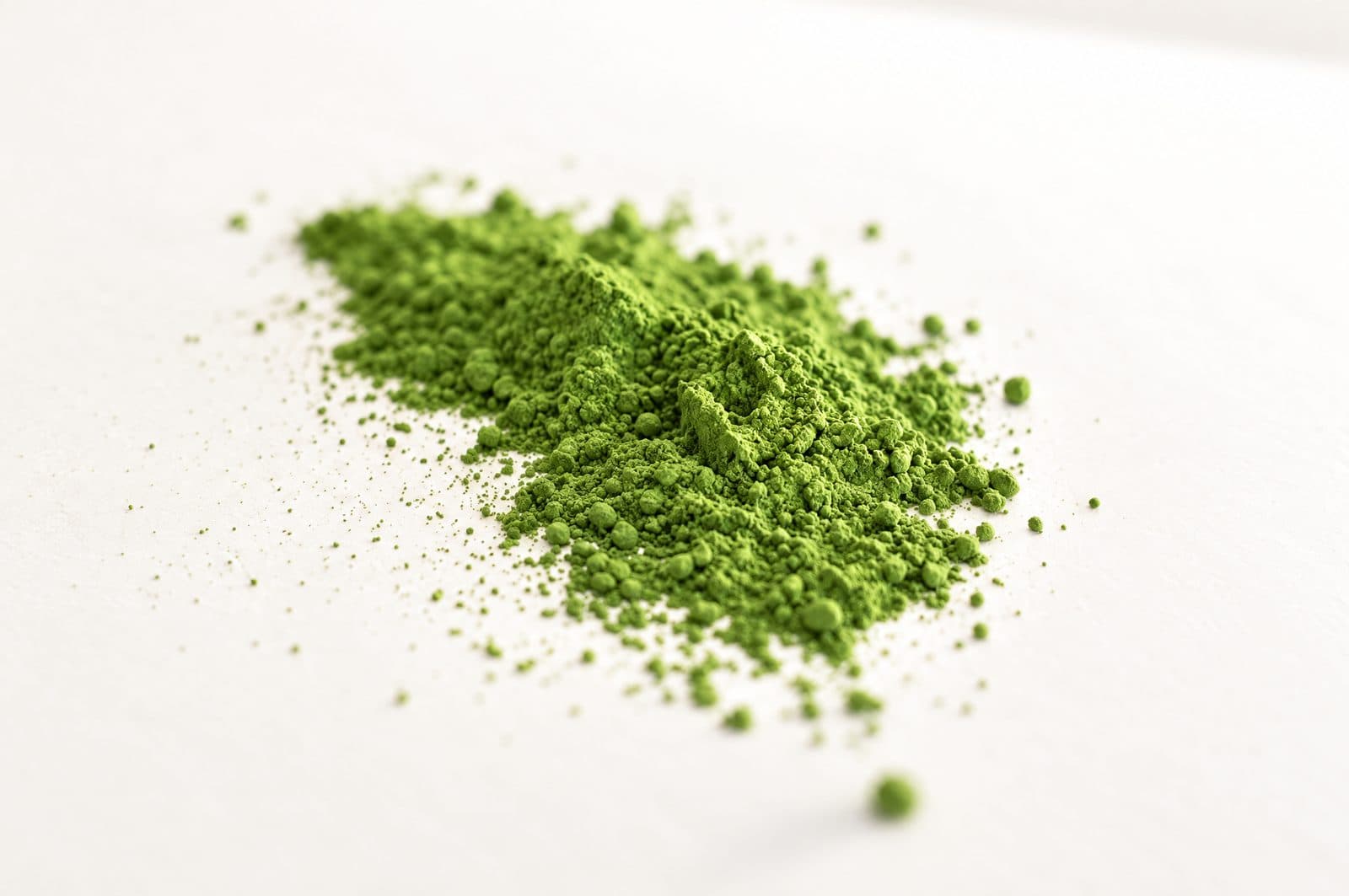
Matcha is finely ground green tea from Japan, shaded from the sun for several weeks before harvest and then stone-milled into a powder as fine as talc. The fundamental difference from regular tea: you don't steep matcha and throw the leaves away – you whisk it into water and drink the whole leaf. That's why you get many times more of its active compounds, and why its taste and colour are so intense.
How matcha is made
The journey from bush to powder has three steps, and they decide everything:
- Shading. Around 3–4 weeks before harvest, the tea bushes are covered with nets. Fighting for light in the shade, the plant produces more chlorophyll (hence the vivid green colour) and more of the amino acid L-theanine (hence the sweet umami taste and calm energy).
- Harvest and processing into tencha. Hand-picked young leaves are steamed, dried and stripped of stems and veins. The resulting intermediate is called tencha.
- Stone milling. The tencha is ground on granite mills – slowly, so the powder doesn't overheat and lose its aroma. One mill manages only around 30–40 grams per hour. That's part of why real matcha is rare, and why we don't run a warehouse – we do drops from fresh harvests.
Ceremonial vs. culinary grade – what's the difference?
Ceremonial grade is the highest quality: first spring harvest, the youngest leaves, meticulous shading. It's made for drinking pure or in a latte – gently sweet, full of umami, no bitterness.
Culinary grade comes from later harvests. It's bolder, even bitter – designed for baking, smoothies and ice cream, where the taste mixes with other ingredients.
Watch out for packaging claims: "premium", "superior" or "barista grade" aren't protected terms – anyone can print them on anything. What matters is origin, harvest, and what you can see and taste.
What does matcha taste like?
Quality matcha tastes gently sweet, creamy and "green" – with the umami flavour you know from broth or parmesan. In ceremonial grade, bitterness is minimal. If matcha has ever tasted to you like mown grass with a bitter finish, it was probably a low grade, scorched water – or an old pack.
Why is matcha so popular?
Short answer: energy without the jitters. A serving of matcha (2 g) contains roughly 60–70 mg of caffeine – about the same as an espresso. The difference is the ride: thanks to L-theanine, matcha's caffeine is absorbed more gradually, so the energy comes on and fades smoothly, without the classic coffee "crash". We break down the full comparison in Matcha vs coffee.
Add the antioxidants: since you're drinking whole ground leaves, you take in catechins (EGCG being the most famous) in amounts you'll never get from steeped tea.
How to spot quality matcha
- Colour: vivid, almost neon green. Yellowish or olive tones give away old powder or a late harvest.
- Aroma: freshly grassy, slightly sweet. Not musty, not "hay-like".
- Texture: fine as talc (stone milling goes below 15 microns). Coarser powder feels gritty between your fingers.
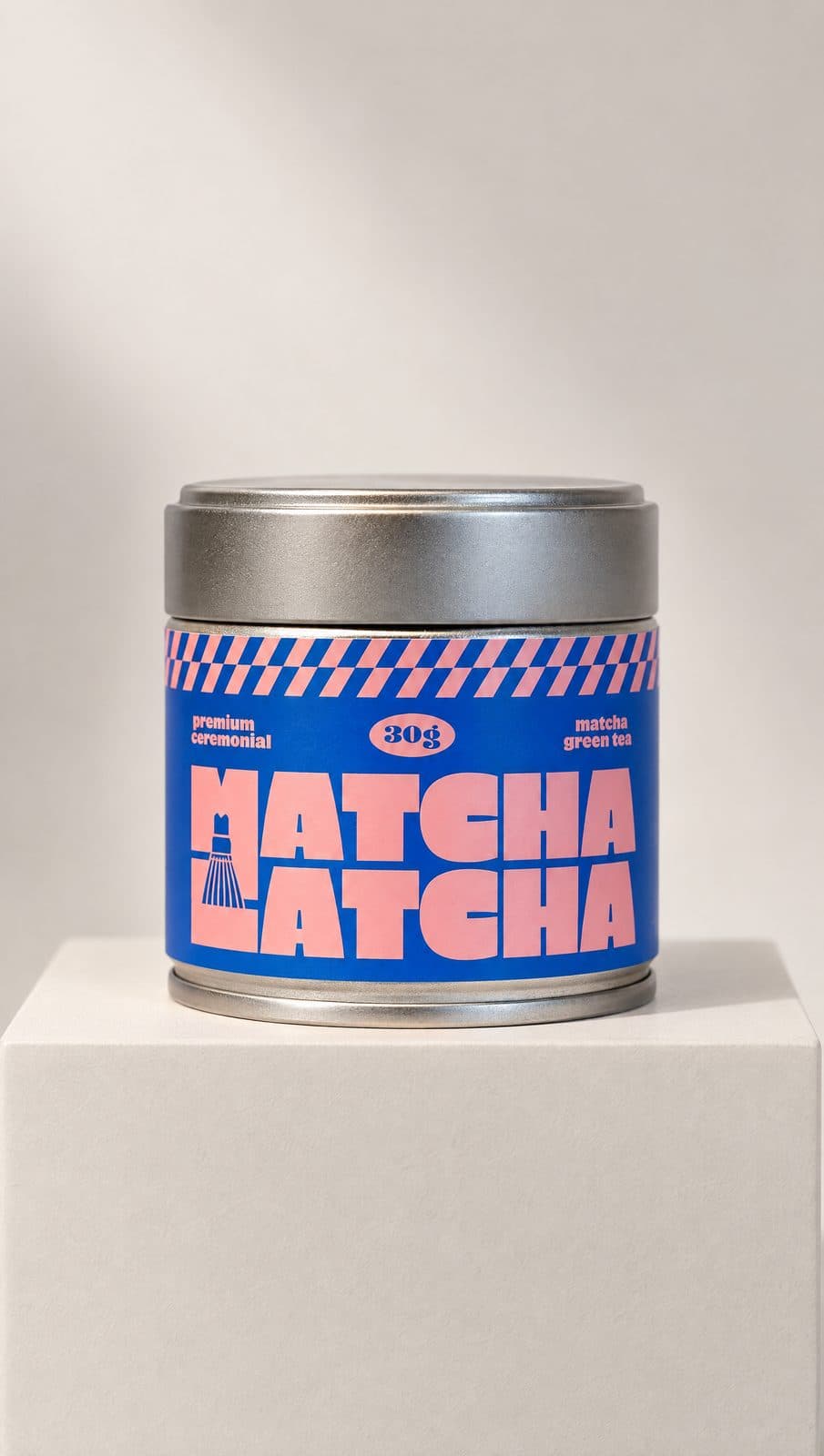
- Origin: Japan, ideally a specific region. Uji near Kyoto is the cradle of matcha – grown there for over 800 years and still considered its most prestigious origin. That's exactly where Matcha Latcha comes from.
- Freshness: after harvest, matcha gradually loses colour, aroma and active compounds. Small batches from the current harvest > pallets stored for years.

How to prepare matcha
The basic preparation takes three minutes: sift 2 g of powder into a bowl, add 70 ml of water at around 80 °C (not boiling!) and whisk with a bamboo chasen into a fine foam, roughly 30 seconds. For a matcha latte, add frothed milk. Iced version? Cold water, ice, shake.
Frequently asked questions
Is matcha the same as green tea?
Yes and no. Botanically it's the same plant (Camellia sinensis), but matcha is shaded, ground and drunk whole – regular green tea is steeped and the leaves discarded. That's why matcha differs in taste, colour and what it contains.
How much matcha can I drink per day?
A typical daily routine is 1–2 servings (2–4 g). Given the caffeine, the same rule of thumb applies as with coffee – listen to your body.
Why is quality matcha expensive?
Shading, hand-picking, stem removal and milling at ~30 g per hour – none of that can be done cheaply at scale. Per serving, though, quality matcha works out at ~1.30 € – less than a takeaway coffee.