
Matcha vs coffee: caffeine, energy and effects compared
Matcha and espresso contain similar amounts of caffeine (~60–70 mg per serving). The difference is the energy curve: L-theanine in matcha smooths the rise and the landing – no jitters, no crash.
A serving of matcha (2 g) contains roughly 60–70 mg of caffeine, an espresso around 60–80 mg – so in raw caffeine, there's not much between them. The difference is in how that caffeine works. Matcha contains the amino acid L-theanine, which smooths out the energy curve: a slower onset, longer focus, no sharp drop. Coffee works like a lift, matcha like an escalator.
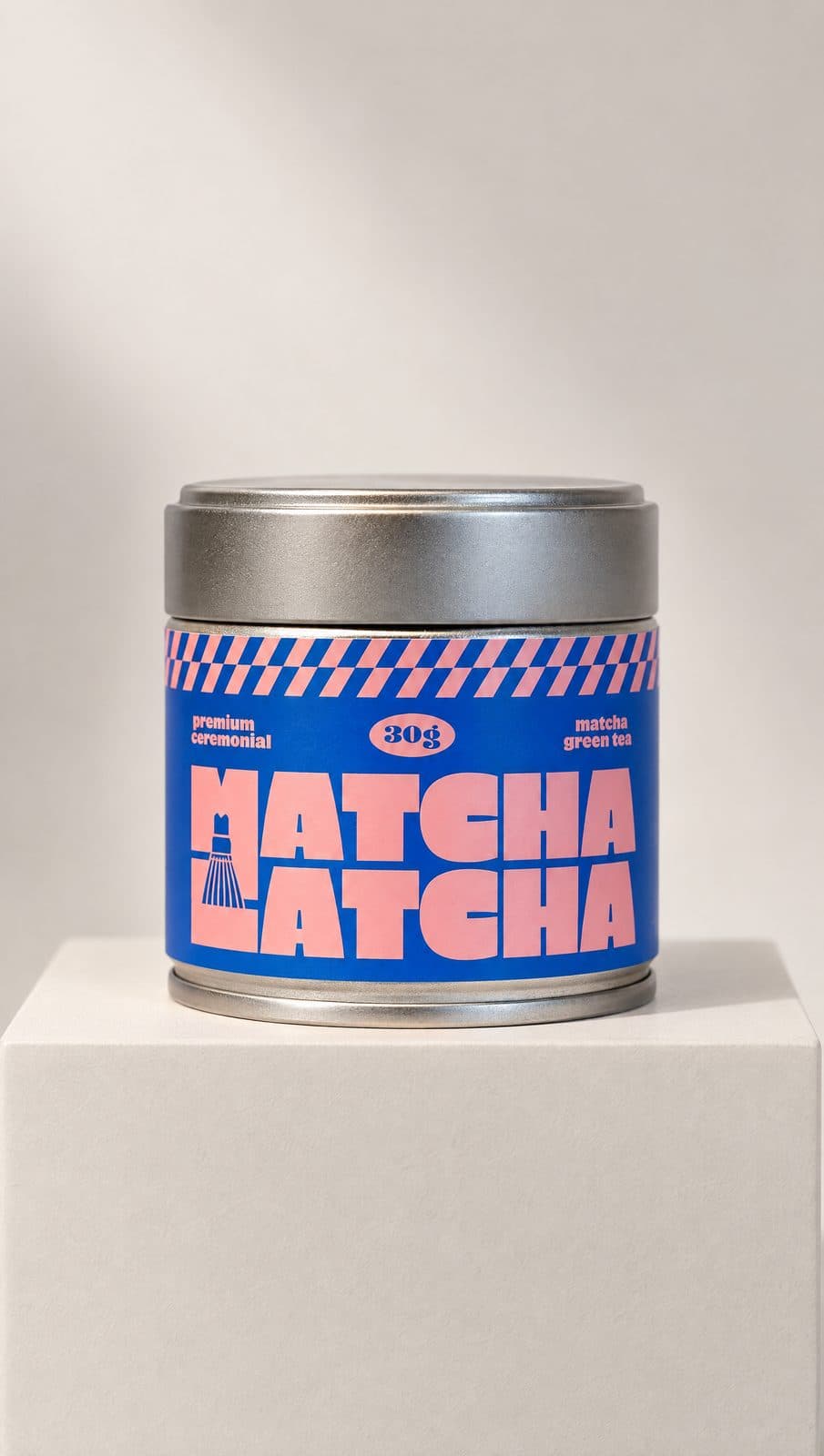
Caffeine in numbers
| | Matcha (2 g) | Espresso (30 ml) | Filter coffee (250 ml) | |---|---|---|---| | Caffeine | ~60–70 mg | ~60–80 mg | ~90–140 mg | | Onset | gradual (30–45 min) | fast (15–30 min) | fast | | Duration | long, smooth | shorter, sharper | medium | | Typical landing | smooth | a "crash" for the sensitive | depends on dose |
Values are approximate – they depend on variety, preparation and serving size.
Why matcha doesn't kick and drop you: L-theanine
L-theanine is an amino acid the tea plant produces mainly during shading – and matcha is a shaded tea, so it has the most of any tea. Studies (e.g. Nobre et al., 2008) show that L-theanine supports alpha-band brain activity – a state of relaxed focus you know from deep work or meditation.
Combined with caffeine, it creates the effect that made matcha a favourite of students and knowledge workers: alertness without the jitters. Caffeine wakes you up; L-theanine steadies your hands and your mind. Coffee has no such braking mechanism – which is why, in sensitive people, it can trigger a racing heart, shaky hands or anxiety.
When coffee wins
To be fair – coffee has its victories:
- The fast hit. When you need to be sharp right now, espresso arrives sooner.
- Ritual and taste. The specialty coffee world is a culture of its own.
- Price and availability. You can get coffee on every corner.
If coffee works for you, you don't have to quit. Plenty of people in the Latcha community run a coffee in the morning, matcha in the afternoon routine – it's the second coffee of the day that's usually to blame for jitters and bad sleep.
When matcha wins
- Long focus: work, study, creative sessions – the escalator instead of the lift.
- Caffeine sensitivity: if coffee gives you a racing heart or anxiety.
- Later in the day: a smoother landing means less risk of wrecking your sleep (still, skip it late at night – caffeine is caffeine).
- Bonus antioxidants: you drink whole ground leaves, not an infusion – including catechins like EGCG.

How the difference tastes
Espresso is bitter, roasted, intense. Quality ceremonial matcha is gently sweet, creamy, with an umami taste – and in a latte with frothed milk it's closer to dessert than tea. If you've tried matcha and it was unpleasantly bitter, odds are it wasn't ceremonial grade – or it was old.
Frequently asked questions
Will matcha wake me up like coffee does?
Yes, just differently. A serving of matcha has about as much caffeine as an espresso, but the onset is gentler – instead of a punch, you get pull. Most people describe 3–5 hours of steady alertness.
Can I drink matcha and coffee on the same day?
You can – just watch your total daily caffeine (the common guideline for healthy adults is up to ~400 mg). A popular routine: coffee in the morning, matcha after lunch.
Does matcha help focus more than coffee?
The caffeine + L-theanine combination is linked in studies to better sustained attention and fewer jitters than caffeine alone. It's not magic – it's a smoother curve of the same energy.